The Difference Between an AI Tutor and an AI Assessor
August 13, 2026
5 min read
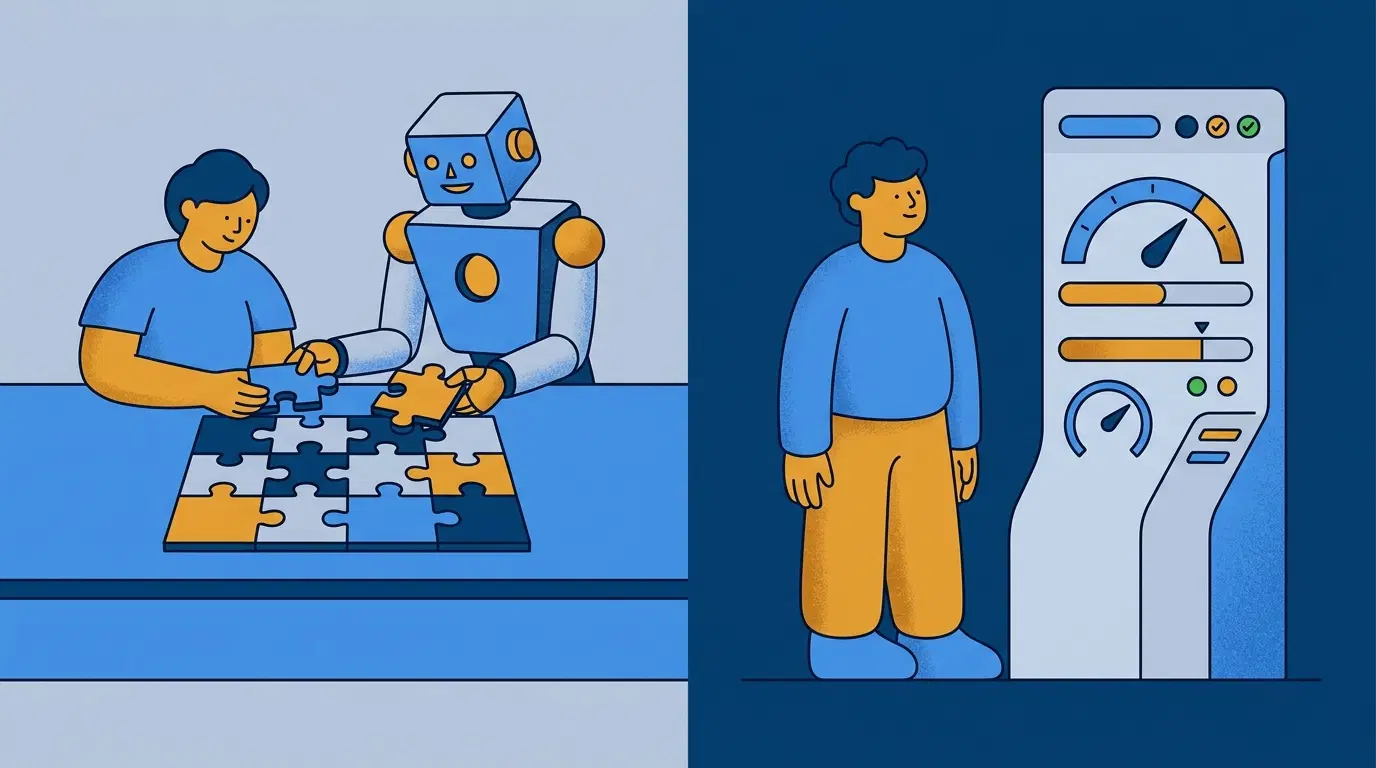
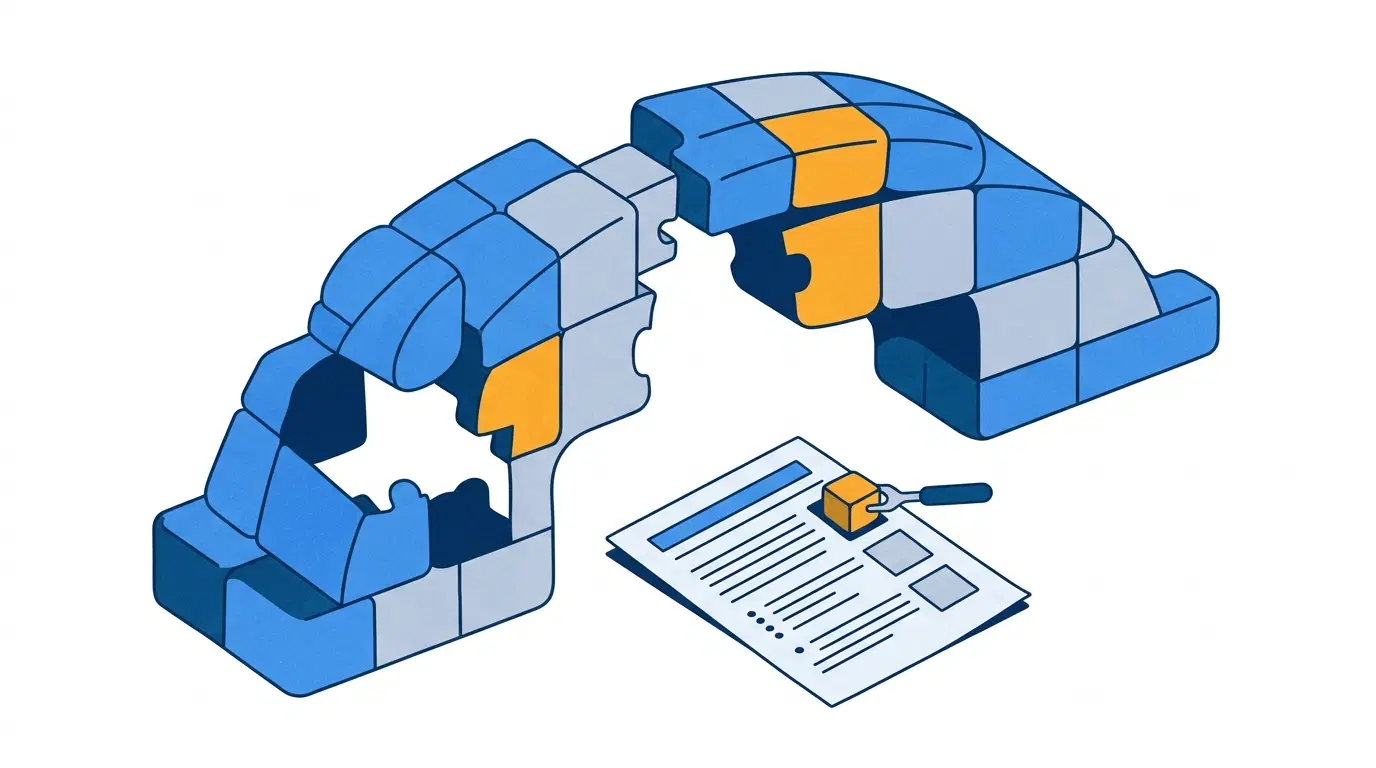
An AI tutor and an AI assessor can run on the same underlying model and still produce opposite outcomes. One is built to help a student reach the correct answer. The other is built to find out whether the student could have reached it alone. Most products marketed as "AI assessment" in higher education blur this line, and the blurring is the problem.
What an AI tutor is actually optimized to do
AI tutoring has a genuinely strong evidence base behind it. A randomized controlled trial published in Scientific Reports found that college students using a purpose built AI tutor learned significantly more, in less time, than students in an active learning classroom, and reported higher engagement in the process. That is a real result, and it describes a system doing exactly what a tutor should: scaffolding, hinting, and adjusting until the student arrives at understanding.
That same behavior disqualifies a tutor from also being an assessor. The moment a tool starts guiding a student toward the right answer, it stops measuring what the student knows and starts measuring how well the student follows the tool's guidance. A systematic review of AI use in programming education found that overreliance on AI assistance produced superficial learning in the majority of studies examined, because students leaned on the tool's corrections instead of building their own understanding. For a tutor, that tradeoff is often acceptable. For an assessor, it invalidates the score.
AI grading is not the same thing as AI assessment
Most tools sold as "AI assessment" are really AI grading: automating the scoring of a format that already existed, usually multiple choice or short answer, and using AI to mark faster or generate more items. That's useful for workload, but it inherits the same weakness as the paper test it replaced. A student can select or produce a correct answer through recognition or memorized phrasing without having built a working model of the concept underneath it.
Teaching-based assessment takes a different approach: instead of asking a student to recognize the right answer, it asks them to construct an explanation clear enough that someone else could learn from it. The case for this predates generative AI by decades. A peer reviewed study on students teaching digital "teachable agents" found that students working to teach an agent spent more time on learning activities and retained more of the material than students studying the same content for a test. The correction happens through the act of teaching, not through a grade attached after the fact.
How Axiom Flow keeps the two roles separate
Axiom Flow runs tutoring and assessment as two distinct systems instead of blending them into one assistant, and it is not a tutoring system in any part of the process. Atlas, the assessment designer, analyzes the material a student is meant to learn and generates a configurable number of misconceptions, mapping one exam question to each. Atlas takes no part in teaching. Its job is misconception-based evaluation: design the test in advance, then score it afterward.
Sam, the AI student, does the opposite job. He starts each session holding the misconceptions Atlas generated and has no independent way to check what's true. The student teaching him is his only source of correction: he accepts what he's taught, asks questions when an explanation is unclear, and never judges or scores during that phase. He simply reflects back what he was taught, which is what makes the teaching phase a genuine test of whether the student's explanation actually resolves the misconception rather than just sounding confident.
The sequence runs in order:
- Atlas generates misconceptions and writes one exam question per misconception
- Sam is initialized holding those misconceptions
- The student teaches Sam, correcting the misconceptions, unscored
- Sam answers the exam questions using only what he was taught, with no outside reasoning
- Atlas scores the result and reports which misconceptions were resolved and which remain
This is also a direct implementation of assessment for learning: the act of teaching Sam is the assessment, not preparation for one. Unlike a standard formative assessment platform that monitors recall through checks and quizzes, Axiom Flow uses the teaching phase as an unscored, formative measurement instrument, then converts the outcome into a scored, summative result through the exam. It sits between the two categories rather than belonging fully to either.
Why the distinction matters for institutional buyers
Most online assessment platforms are optimized for delivery speed: get a test in front of students, collect responses, return a score. Axiom Flow asks a different question: can the student construct and defend the knowledge, not just recognize it. Unlike standard online assessment platforms built to deliver tests and record scores, Axiom Flow measures whether a student can transfer knowledge by having them teach it.
That distinction is easy to miss when evaluating ai powered assessment tools, because "AI assessment" has become a loose label. Even automated evaluation of AI tutors' own pedagogical quality is still an unsolved problem. A shared task run by the Association for Computational Linguistics's education workshop found that automated systems trying to judge whether a tutor was giving good guidance topped out at modest accuracy on that dimension, well behind their accuracy on simpler tasks like identifying who was speaking. If judging good tutoring is still hard, judging whether a student understood something by watching them use a tutor is harder still. A department buying assessment software should ask which of the two jobs, tutoring or assessing, the product was actually built to do.
Enjoyed reading this? Share this article with your network.